
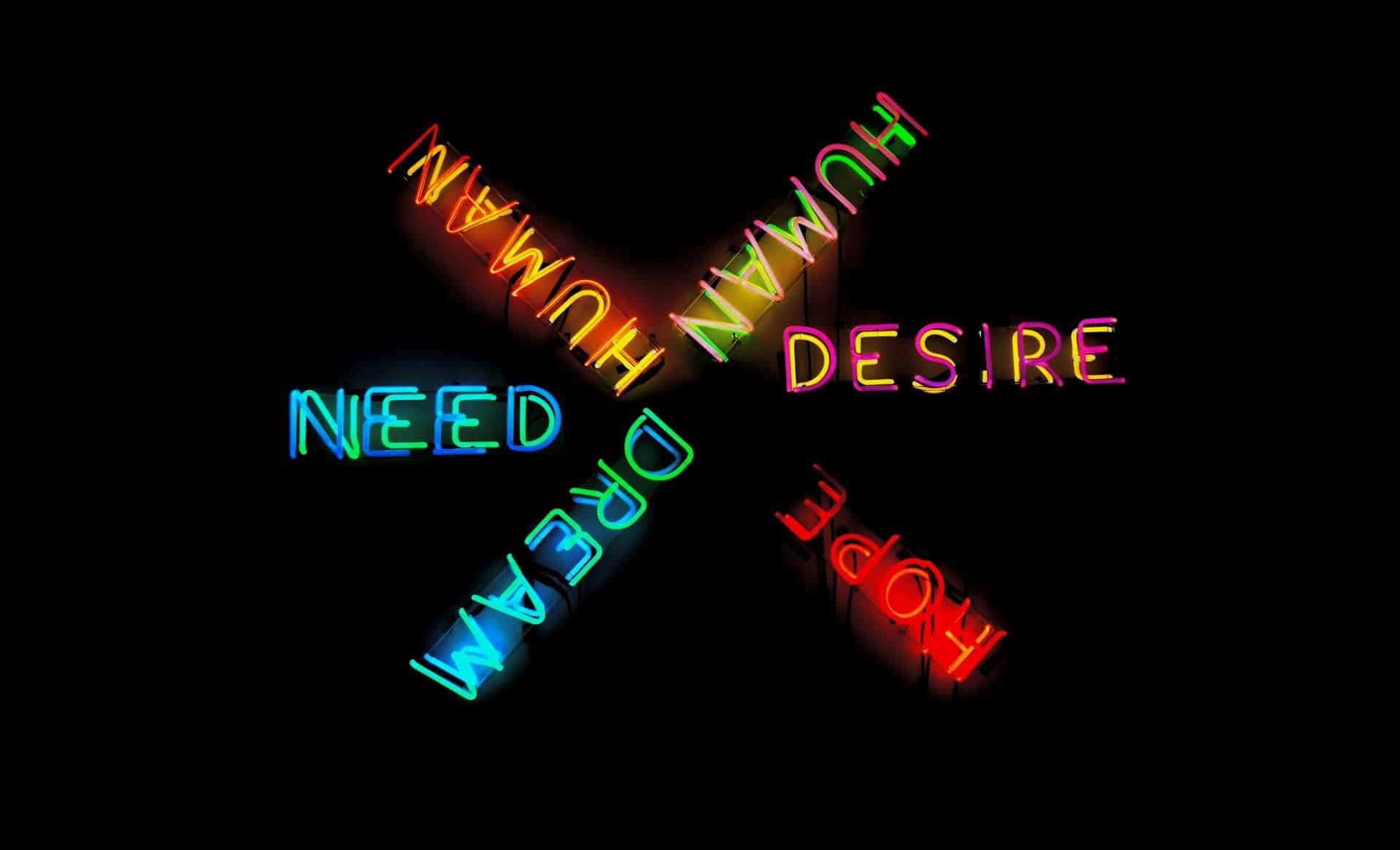
Something in you says: this.
It doesn’t arrive with an argument. Often it’s quiet, sometimes a little embarrassing. A pull toward a place you’ve never been. A door you keep noticing. A person you want to sit next to.
Sometimes the wanting points at something new. Unfamiliar, unproven, not yet yours.
And sometimes it points at something you already have and already love, and says only: more of this. The same stretch of coastline. The same song on repeat. The same slow hour in the morning.
Either way, before the wanting has finished arriving, the questioning starts.
What is this really about? Is it practical? What would it cost, and who would it disappoint? Is this a genuine desire, or just restlessness in a nicer outfit? Haven’t you already done this? Shouldn’t you want something bigger by now?
We put desire on the stand. We make it testify. And we’ve decided in advance that if it can’t produce evidence, it doesn’t get to stay.
We reserve a particular suspicion for the wanting that returns. Loving the same thing again can feel like a failure of ambition, as though desire only counts when it’s reaching for something we don’t yet have.
Most of us learned this early. We were taught to sort what is wise from what is wanted, and to trust the first over the second.
There’s a reason we do it. Interrogation feels responsible. It feels like discernment. But look closely at what the questioning is for, and it’s rarely discernment. It’s a way of not feeling the want long enough for it to land.
Because if the desire holds up, something might have to change.
I want to offer a different possibility.
Sometimes desire is not the distraction from the path. It is the path, speaking before language has caught up. It moves through the body first. A lift in the chest, a quickening, a yes that arrives before the mind has cast its vote. The mind comes in afterward and builds the case, for or against. But it was second on the scene.
And the desires that matter most are often the ones with no case at all. They don’t present a business plan. They don’t explain themselves. They simply say: this.
There are things you are allowed to want simply because you want them.
You don’t need to prove it will make you happier. You don’t need to make it useful, or turn it into a lesson, or find the version of it that other people would approve of. You don’t even need to know what it means to you yet, and maybe, the feeling of desire itself is the meaning.
You are allowed to want it while it is still unexplained.
So here’s the invitation this week.
Notice one wanting. Look for a small one — the instrument you keep looking at, the afternoon with nothing in it, the walk you’d take every single day if you let yourself. Those are the ones we dismiss fastest. And instead of interrogating it, let it be there. Don’t build the case for it. Don’t build the case against it. Don’t schedule it or solve it or decide today whether you’ll act on it.
Let the wanting exist without putting it on trial.
Let yourself just sit, with the feeling of want.
You may find it fades. That’s information. You may find it stays, and gets louder in the quiet, and starts to look less like a whim and more like a direction you’ve been talking yourself out of for years. That’s information too.
Either way, it’s something you could never have learned by cross-examination.


